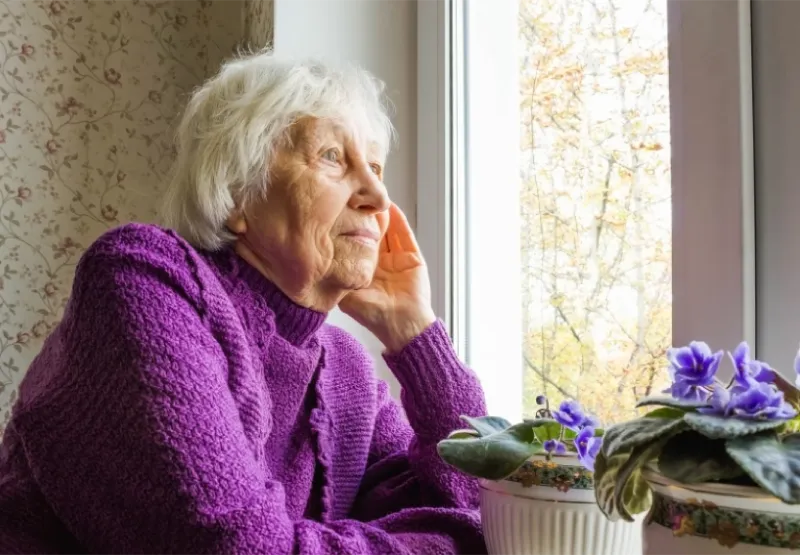
We tend to think of loneliness as a sad feeling — something to be endured rather than treated. But a growing body of research tells us it is far more serious than that. For older adults living alone, loneliness can be as damaging to physical health as a long-term illness.
One widely-cited study found that chronic loneliness carries a health risk comparable to smoking around 15 cigarettes a day. It has been linked to higher blood pressure, a weakened immune system, poorer sleep, and a significantly increased risk of cognitive decline.
Why older adults are especially at risk
Later life brings changes that quietly chip away at our social connections. Friends and partners pass away. Children move further afield. Driving becomes harder, and getting out and about takes more effort. What once happened naturally — a chat at the shop, a neighbour popping in — slowly stops happening at all.
The result is that someone can go days, sometimes weeks, with very little real conversation. And because loneliness carries a quiet stigma, many people never mention it.
"The opposite of loneliness isn't simply being around people. It's feeling seen, heard and valued by someone who genuinely cares."
The warning signs to look out for
If you have an older relative or friend, these are some of the gentle signals that loneliness may be taking hold:
- Losing interest in hobbies or activities they used to enjoy
- Sleeping more, or struggling to sleep at all
- Becoming low in mood, anxious, or unusually forgetful
- Letting the home or themselves go a little more than usual
- Talking at length on the phone — often a sign of starved conversation
Free family checklist
Recognise a few of these? Our free printable checklist gathers the 12 gentle, early signs an older parent may need a little more support — and what to do next. Download the free checklist →
What actually helps
The good news is that loneliness responds well to the simplest of remedies: regular, reliable human company. Not a rushed visit, but time with a familiar person who takes a genuine interest.
Consistency matters enormously. One thoughtful, recurring visit from the same person does far more good than occasional contact from many. It gives someone a rhythm to their week, something to look forward to, and the comfort of being known.
A small change, a big difference
Families often tell us that within a few weeks of regular companionship, they notice their loved one is brighter, more engaged, and more like themselves again. Connection really is a form of care.
Worried about someone who seems lonely?
Let's have a free, no-pressure chat about how a regular friendly visit could help.
Sign up for a no obligation conversationNot ready for a chat just yet? Start with our free family checklist →